

That was Then. This is Now. | Part 1of 4
I’m sure you can easily imagine, since the time I entered the real estate business in 1985, many things have changed and, in some cases, improved for sellers, purchasers and real estate brokers. Naturally, the widespread adoption of the Internet has altered everything for everyone, real estate brokers included.
I thought it might be interesting to present a “Then” and “Now” comparison of how things have changed in real estate since 1985. These things which entered my mind to write about and are listed in no particular order. At the conclusion, I’ll describe one foundational element about the real estate business that has and has not changed.
Then: The “MLS (multiple listing service) Book”. The MLS book was published for each agent and broker (3,000 to 4,000 copies) and distributed every two weeks on Friday afternoons at 3:00PM. Depending upon the real estate market cycle and how many homes were actively marketed for sale at any given time, the MLS book was the approximate size of a phone book, printed in black and white. For every home that was listed “for sale”, there was only one photo of the house, usually the front of the house, unless the listed property for sale was vacant land in which case a placeholder stated, “No Photo Available”. The photo was taken by a “photographer” hired by the local board of Realtors.
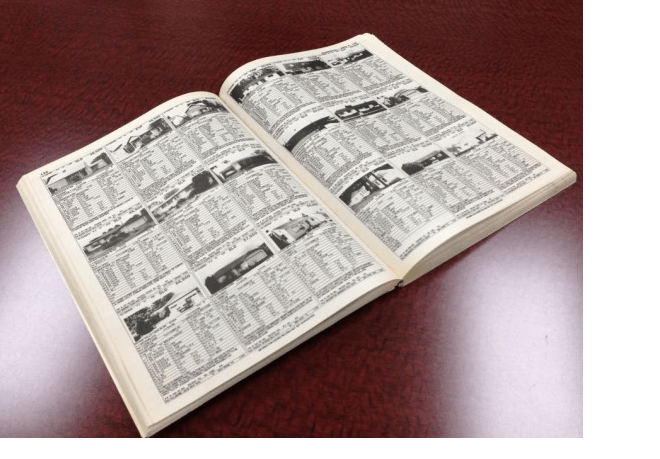
Some real estate brokers or agents embraced the practice of having a prospective purchaser to look through the MLS book to find a home they might like to look at. I failed to understand the logic of that practice. Why would a prospective purchaser employ the efforts of a real estate agent or broker if the buyer is doing the house search?
An agent or broker could not “lend” the book to the prospective purchaser. To do so was an infraction of the local board of Realtors rules and regulations. Violators were subject to possible suspension from the local board of Realtors. To my knowledge, no one was ever suspended for an infraction such as this.
Then: There was a “sold book” which was published once a quarter that was used by Real estate agents and brokers as a comparison tool to produce market analysis’ reports for home sellers. Real estate agents and brokers would photocopy the picture and pertinent information of the houses which sold and cut, taped or glued the MLS book entry on to a pre-printed boiler plate type market analysis report. This seems cryptic to me now, yet it was simply the best we could offer at that time.
Then: Around 1987, the ”Dumb Terminal” made its debut in some real estate offices. This was a computer terminal, which cost approximately $350.00. Agents and brokers could search for active, expired, pending and sold house listings. The “dumb terminal” was an early version of a personal computer that could only perform limited functions.
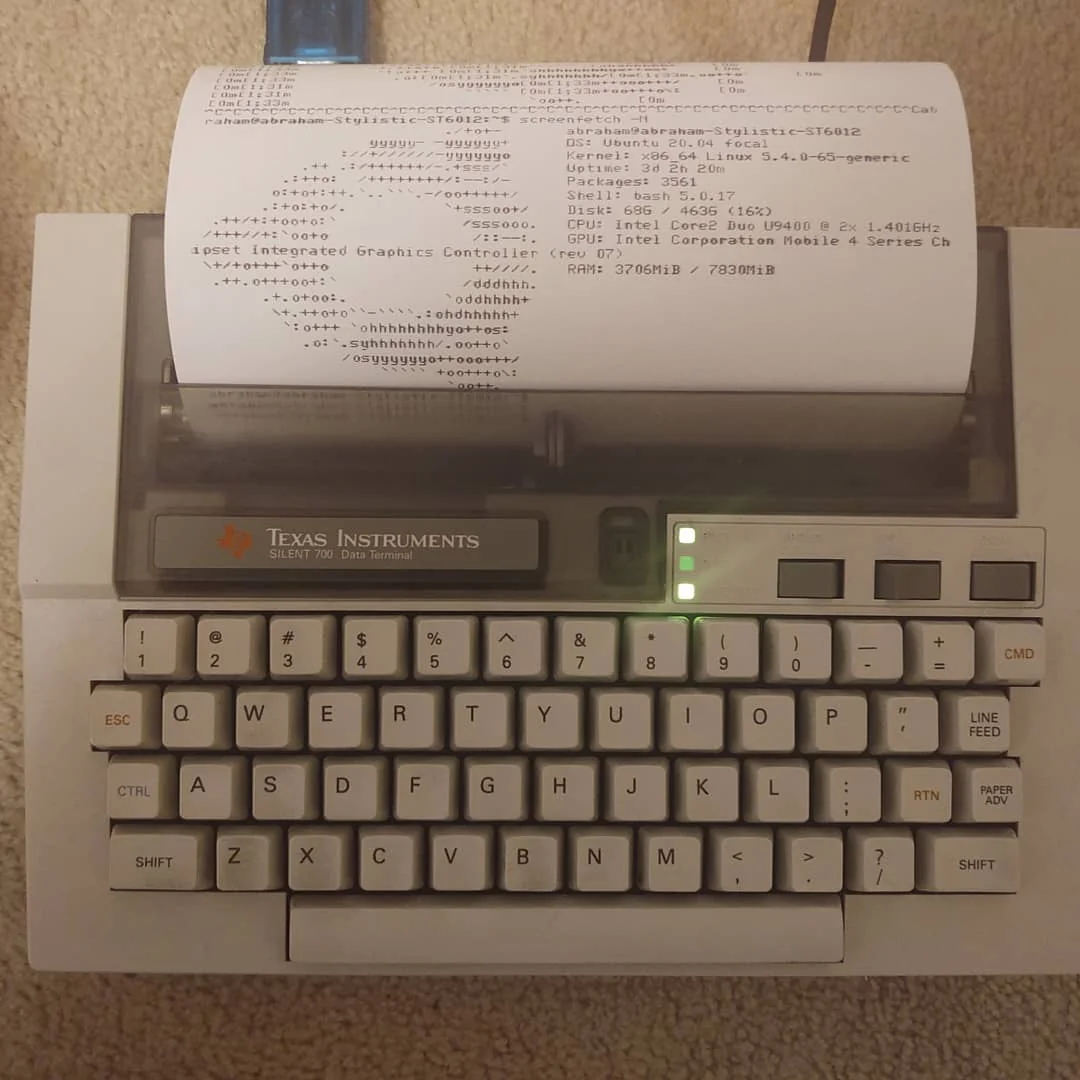
The dumb terminal printed search results on thermal paper, in the same way original FAX machines did. The text of the thermal printout essentially disappeared over a short period of time. So, one would take the thermal paper printout to the photocopier for a lasting printout.
The “dumb terminal” could also print a single line – single spaced “hot sheet” of new home listings which became available Monday through Friday at 3:00PM. In order to produce a “hot sheet” one had to manually dial a local telephone number into the dumb terminal which connected through a modem to a main frame computer located at the local board of Realtors. One had to keep manually re-dialing the telephone number if a busy signal was encountered since many brokers were trying to secure an advantage over their competition and were dialing in at practically the same time. Again, this seems cryptic now. Yet, this was the state of computer technology for the real estate industry in the late 1980's. Who would have the tolerance for that today?
Most real estate companies at that time did not embrace the earliest iterations of computer technology. I was, at that time, and remain thankful today, to have worked for a real estate company who had this piece of technology. For all its limitations compared to today’s technology standards, this “dumb terminal” was far superior to using the “MLS book”.
Once this technology became accepted and commonly available, it essentially ended the use of the MLS book at some point in the mid 1990’s. For a short period of time, there was an option to buy an MLS book if an agent or broker wanted a copy. Not many agents or brokers did, however.
I'll explore more in "Part 2" of "That was Then. This is Now."


Post a comment